Luxury Hotel Development Surges in Burbank and LA County
Burbank leads LA County's booming luxury hotel pipeline, fueled by FIFA, the Super Bowl, and the 2028 Olympics driving upscale development.
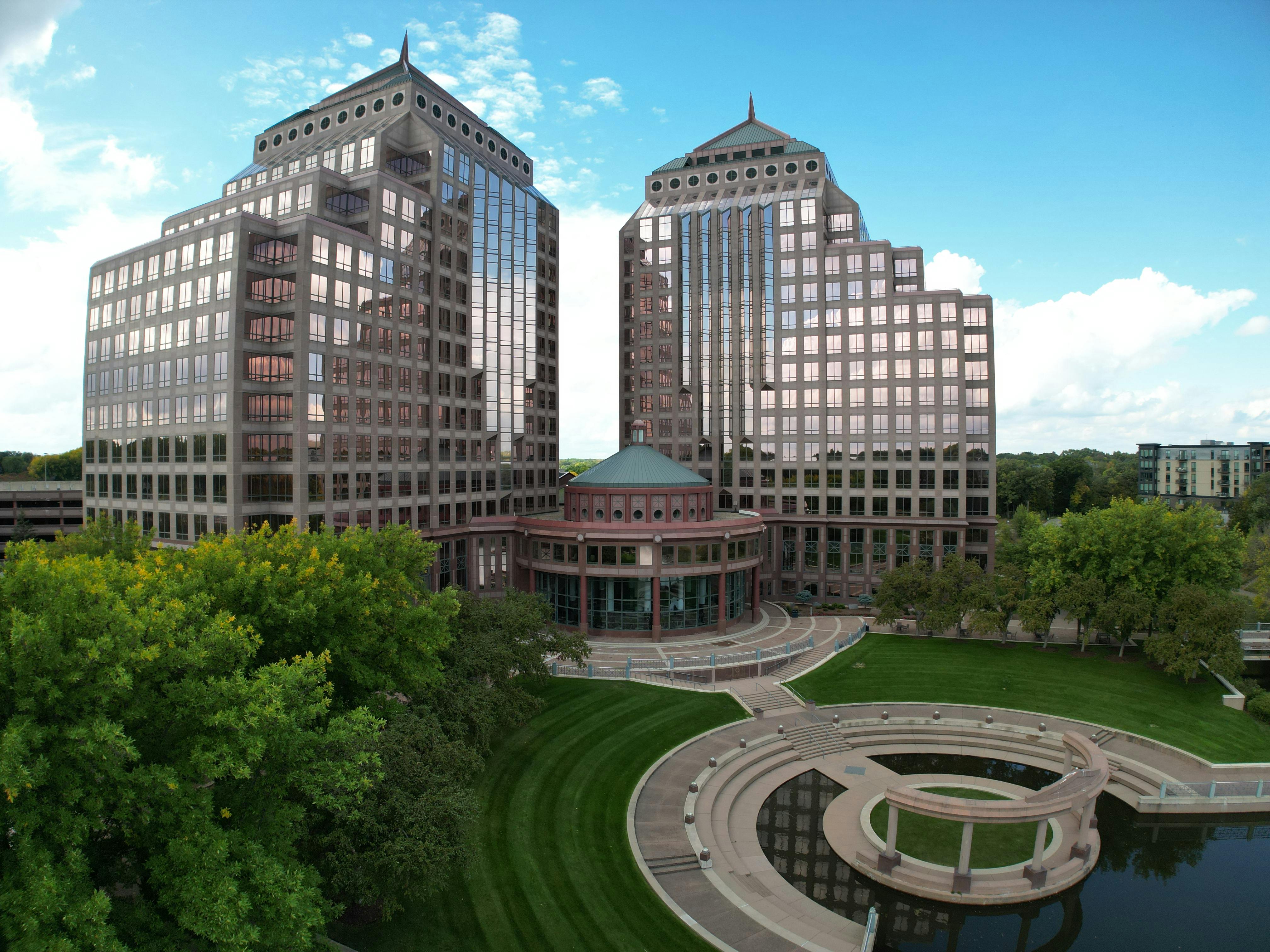
Burbank sits near the center of one of the most active hotel development corridors in California, and the next three years of major sporting and cultural events are accelerating that attention.
Los Angeles County leads the state in new hotel construction, with 18 properties and 2,172 rooms currently under construction and 138 hotels representing more than 20,500 rooms in the planning pipeline, according to Atlas Hospitality Group’s end-of-year 2025 Hotel Development Survey. Burbank is specifically named as one of the submarkets drawing the most concentrated developer interest, alongside downtown Los Angeles, Hollywood, Glendale, and the LAX corridor.
The draw is straightforward. Builders are chasing demand anchored by proximity to entertainment infrastructure, and Burbank delivers that in abundance. The Warner Bros. lot, Disney’s campus, and the broader Media District create a steady base of corporate travel that most suburban markets can’t replicate. Add in the FIFA World Cup scheduled for this year, the Super Bowl coming to SoFi Stadium in 2027, and the Summer Olympics arriving in 2028, and the case for upscale hotel investment in this region becomes easier to make.
That case, however, skews heavily toward the top of the market.
Development activity in the Los Angeles metro has concentrated in the upper midscale and upscale segments, according to a report from Matthews Real Estate Investment Services. Budget and mid-price properties are a different story. Alan Reay, president of Atlas Hospitality Group, put it plainly: Los Angeles County has lost significant supply in those segments, and new construction isn’t replacing it.
“In the mid-price and budget segments, we’ve lost a lot of supply,” Reay said.
Rising construction costs, higher interest rates, and competition from short-term rental platforms have all worked against affordable hotel development. For a city expecting an international surge of visitors over the next three years, that gap has real consequences. Not every World Cup tourist is booking a room with a $750 nightly rate.
The Los Angeles metro already counts more than a dozen properties with average daily rates above $750, a threshold that only about 200 hotels nationwide consistently hit, according to CoStar Group. CoStar analysts describe the region as well positioned to capture high-end leisure and international demand. Revenue per available room figures support that read, with first-quarter 2025 RevPAR climbing nearly 5% year over year, though the figure was partly inflated by displacement demand from the January 2025 wildfires in Pacific Palisades and Altadena. The full-year 2025 RevPAR average came in flat, a cooling from earlier post-pandemic momentum.
For Burbank specifically, the hotel market benefits from a different demand profile than beachside or downtown Los Angeles properties. Business travel driven by studio production schedules, network upfronts, and ongoing corporate activity at the major media companies provides a floor that leisure markets don’t always have. That stability makes lenders and developers more comfortable with mid-sized upscale projects than they might be in a market more dependent on tourism alone.
The challenge is that the same forces suppressing budget hotel development apply here too. Construction costs along the 134 and 5 corridors aren’t lower than anywhere else in the county, and Burbank’s land prices have risen alongside broader San Fernando Valley trends. Projects that penciled out three years ago require more equity today.
The next 18 months will clarify which Burbank-area projects move from planning to groundbreaking and which stall waiting for financing conditions to shift. What’s already clear is that the region’s hotel market is splitting into two distinct tracks. High-end properties with event-driven pricing power are attracting capital. Everything below that threshold is navigating a much harder path.
For residents and workers in Burbank’s Media District and Magnolia Park neighborhoods, that split matters beyond the economics of hospitality. It shapes who can afford to visit, where production crews stay during long shoots, and what kind of street-level activity surrounds the city’s commercial corridors. The Olympic torch may be three years out, but the investment decisions being made right now will determine what Burbank looks like when it arrives.