Hollywood Burbank Airport New Terminal Safety Explained
Burbank Airport's $1.3B replacement terminal opens October 2026, eliminating FAA-designated runway hot spots tied to the airport's 1930-era building.
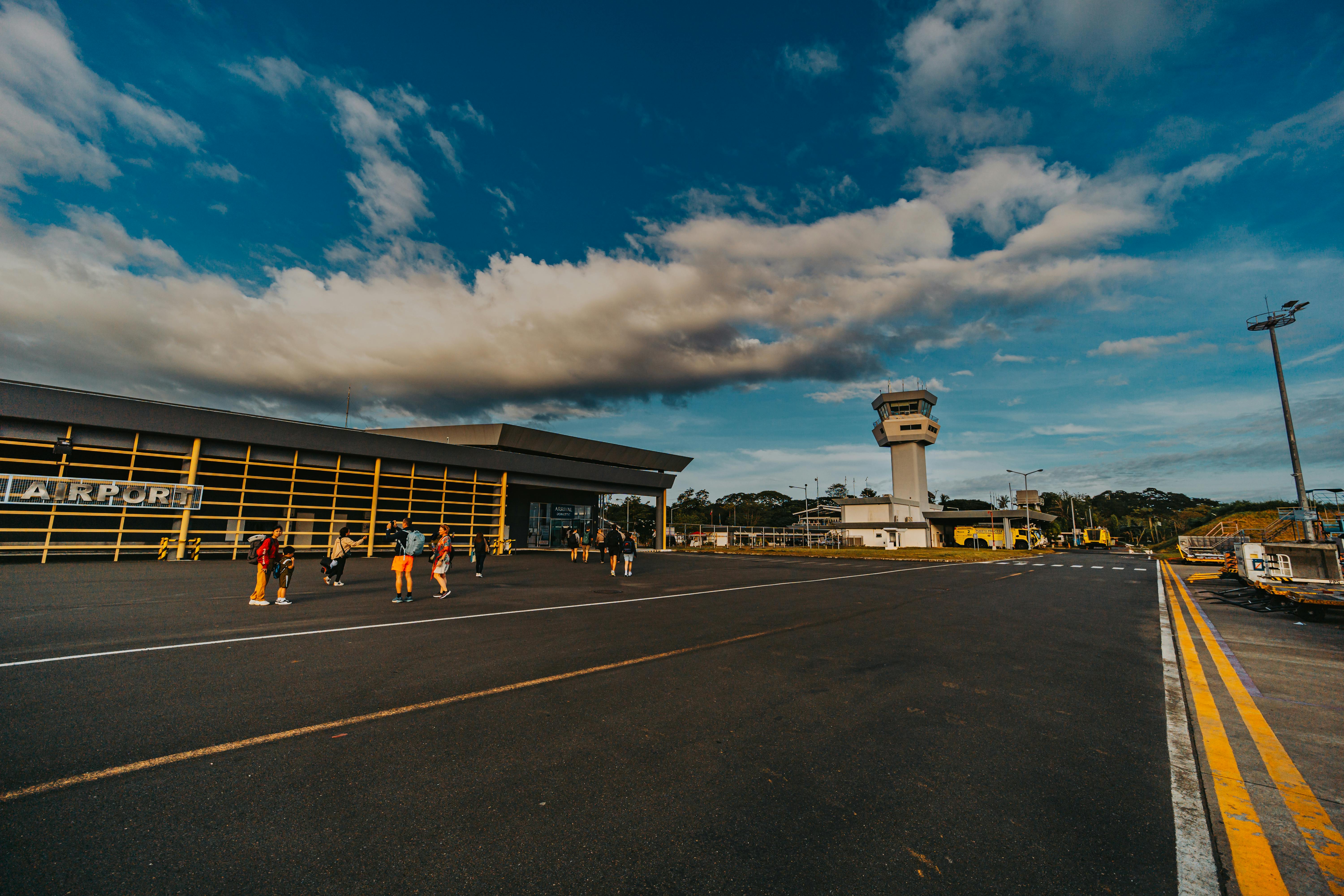
Hollywood Burbank Airport’s $1.3 billion replacement terminal, years in the making, is on track to open this October, and the airport’s top executive wants Burbank residents to understand exactly why the project matters beyond the shiny new concourses.
In a letter to the editor published this week, Jess A. Talamantes, president of the Burbank-Glendale-Pasadena Airport Authority, made the safety case for the Replacement Passenger Terminal, known as the RPT, with unusual directness. The existing terminal building sits too close to active runways. The Federal Aviation Administration has formally designated those conditions as “hot spots,” a term the agency uses to flag locations at airports where the risk of collision or runway incursion is elevated.
BUR has two of them, and both trace back to the same root problem: the current terminal’s proximity to the flight operations area. The building opening in 1930 predates modern airport design standards by decades. What made sense for a small municipal airfield nearly a century ago does not meet FAA requirements for a facility handling millions of passengers annually.
The solution is not a renovation. The RPT is being built on a different section of the airport property entirely, physically relocating the terminal so the hot spots cease to exist. When the new facility opens, the structural conflict between the building and the runways goes away with it.
Talamantes framed the project as the most significant safety undertaking in the airport’s 96-year history. That is a notable claim for a facility that has undergone numerous expansions and modifications over the decades, but the FAA designation of active hot spots gives it weight.
Burbank voters approved the RPT in 2016, authorizing the project through a public ballot measure. The price tag has grown since then. The current figure stands at $1.3 billion, covering construction of the new terminal building along with the infrastructure changes required to move passenger operations to the new site.
Beyond the safety corrections, Talamantes pointed to efficiency and modern design standards as features the new facility will bring. BUR has long been a preferred alternative to LAX for Burbank residents and San Fernando Valley travelers, valued for its shorter security lines and close-in parking. The new terminal is expected to preserve and expand on that experience while bringing the physical plant into compliance with current federal standards.
The airport serves as a significant economic anchor for the area. Studio employees, film crews, and entertainment industry travelers moving between Burbank and other production markets rely on BUR regularly. Construction workers on the project itself have been part of the local workforce for several years. The October opening will mark the end of that construction phase and the beginning of normal operations out of the new building.
Residents near the airport, particularly in the neighborhoods along Hollywood Way and the streets bordering the airport’s western edge, have lived with construction activity for an extended period. The completion timeline gives those communities a concrete endpoint.
For travelers, the transition will mean adjusting to a new layout, new gate configurations, and new wayfinding. Airport officials have indicated the elevatebur.com website will keep passengers updated as the opening date approaches. The site covers construction progress and will presumably carry information about the switchover from the current terminal to the new one.
Talamantes did not address in the letter what becomes of the existing terminal building once operations move. That question has circulated in Burbank planning conversations for years, given the building’s historical significance and its prominent location on the airport campus. No formal decision on the structure’s future appears imminent.
What is clear is that October represents a firm target. A $1.3 billion project with a voter-approved mandate, a federal safety rationale, and nearly a decade of planning and construction does not have much runway left for delays. The airport authority is telling the community to expect to use the new terminal before the end of 2026.
For more information on the project and construction updates, visit elevatebur.com.