ICE Agents at Airports: What LAX Travelers Need to Know
ICE agents are deployed to select U.S. airports amid TSA staffing shortages, but LAX says operations remain normal with no changes expected.
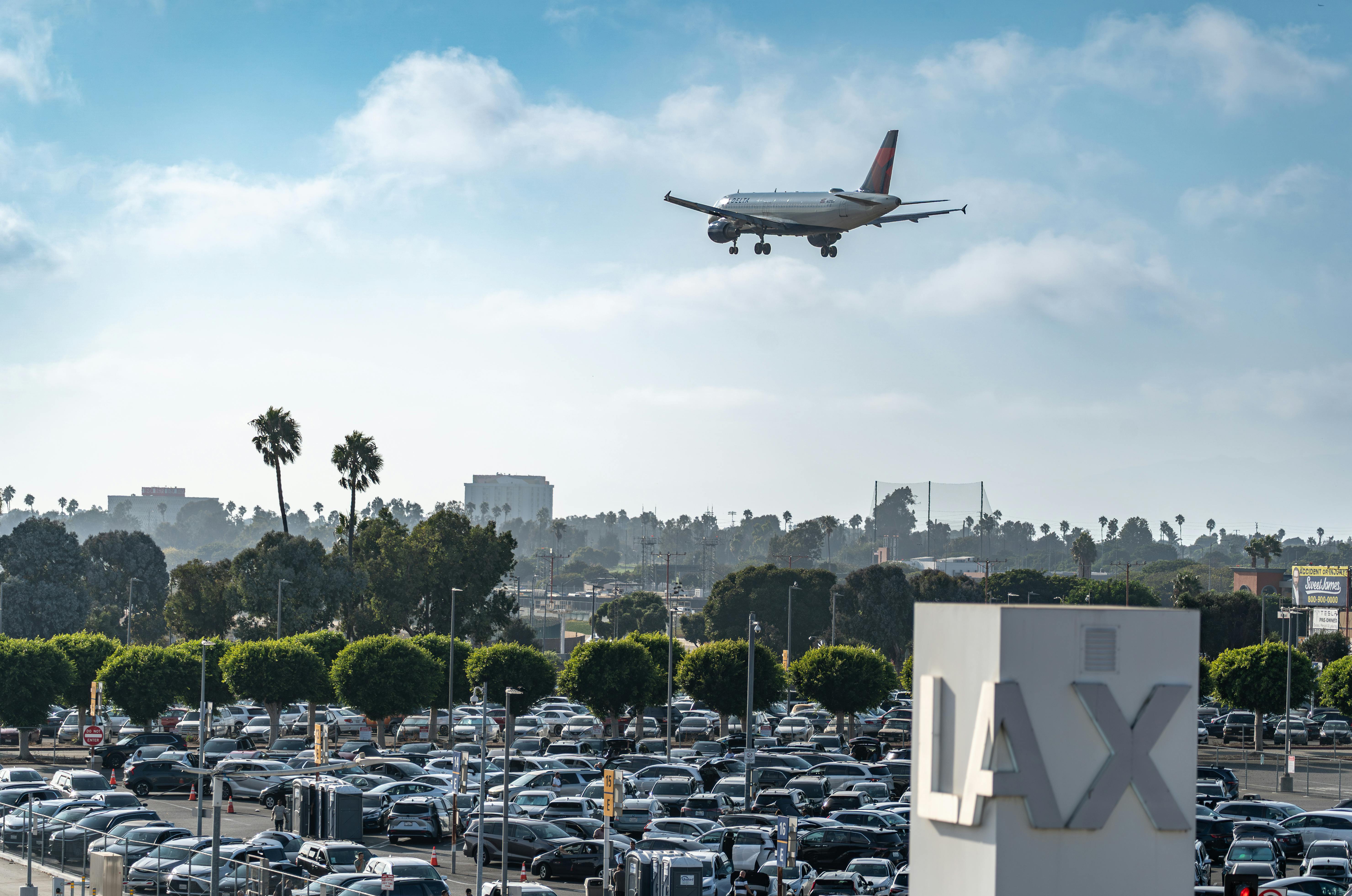
Federal officials have deployed U.S. Immigration and Customs Enforcement agents to assist with airport security at select locations nationwide, but Los Angeles International Airport says travelers there should expect business as usual.
LAX issued a statement Sunday confirming the airport “continues to operate safely and smoothly” and anticipates no changes to operations or federal staffing in the near term. The deployment does not currently include LAX.
“LAX has not experienced any significant deviations from typical passenger wait times at TSA security checkpoints,” airport officials said. “This continuity is a direct result of the dedication, professionalism and leadership of our local Transportation Security Officers and TSA leadership at LAX, who have continued to report to work and perform their duties under challenging circumstances.”
A senior ICE official confirmed to NBC News that at least 50 ICE agents would be working at the airports where they are deployed. Crucially, those agents will not be performing passenger screening duties, which remain the responsibility of the Transportation Security Administration.
The deployment comes against a backdrop of significant staffing pressure on TSA. A partial government shutdown has left roughly 50,000 TSA employees working without pay, and the financial strain has translated directly into attendance problems. Administration officials said approximately 10% of TSA workers failed to show up for duty on some recent days, compared to a normal absenteeism rate of under 2%. That fivefold increase has created real gaps at airports where staffing was already lean.
LAX credits its relative stability to officers continuing to report despite the pay freeze, which the airport acknowledged as work being done “under challenging circumstances.”
For Southern California travelers, the more relevant question mark right now may be John Wayne Airport in Orange County. A spokesperson for that facility said officials were “working with federal counterparts” and monitoring the situation closely.
“Responsibility for the Transportation Security Administration, including staffing levels and resources, are determined at the federal level,” airport Public Information Officer AnnaSophia Serena said in a statement. “We remain in close communication with our federal partners to receive information on efforts to mitigate potential impacts to travelers at John Wayne Airport.”
That careful, watch-and-wait language is a contrast to LAX’s more confident posture, and it signals that smaller regional airports may face more exposure to the TSA absenteeism problem than a major hub with deeper staffing resources.
For Burbank residents who regularly fly out of Hollywood Burbank Airport, which handles a fraction of the passenger volume of LAX but draws heavily from the studio community and surrounding neighborhoods, no specific statement had been issued as of Sunday. Hollywood Burbank operates with a smaller TSA footprint than LAX, which could make it more sensitive to any regional staffing disruptions that develop.
The broader policy picture is still taking shape. ICE agents began their airport assignments Monday, according to the Trump administration, though the program’s scope, duration, and expansion plans have not been fully detailed publicly. The core question, whether bringing in ICE personnel as a stopgap actually closes the security gap left by absent TSA workers, or whether it creates new operational friction, will likely become clearer over the coming week as airports report on the ground conditions.
What’s not in dispute is the cause of the pressure. The government shutdown has put tens of thousands of federal workers in the position of providing essential public services with no paycheck. TSA employees at airports across the country are legally prohibited from striking, but they are not prohibited from calling in sick, and the absenteeism numbers suggest many are making that calculation.
For now, LAX is holding steady, and that’s meaningful for a region whose economy moves partly on the ability of crew members, executives, and production personnel to get in and out of Los Angeles quickly. A security slowdown at LAX would ripple through the entertainment industry’s travel schedules in ways that would be felt well beyond the terminal.