LAPD Weighs Permanent Ban on Pretext Traffic Stops
LA Police Commissioners heard arguments over permanently restricting pretext traffic stops, which data shows disproportionately impact Black and Hispanic drivers.
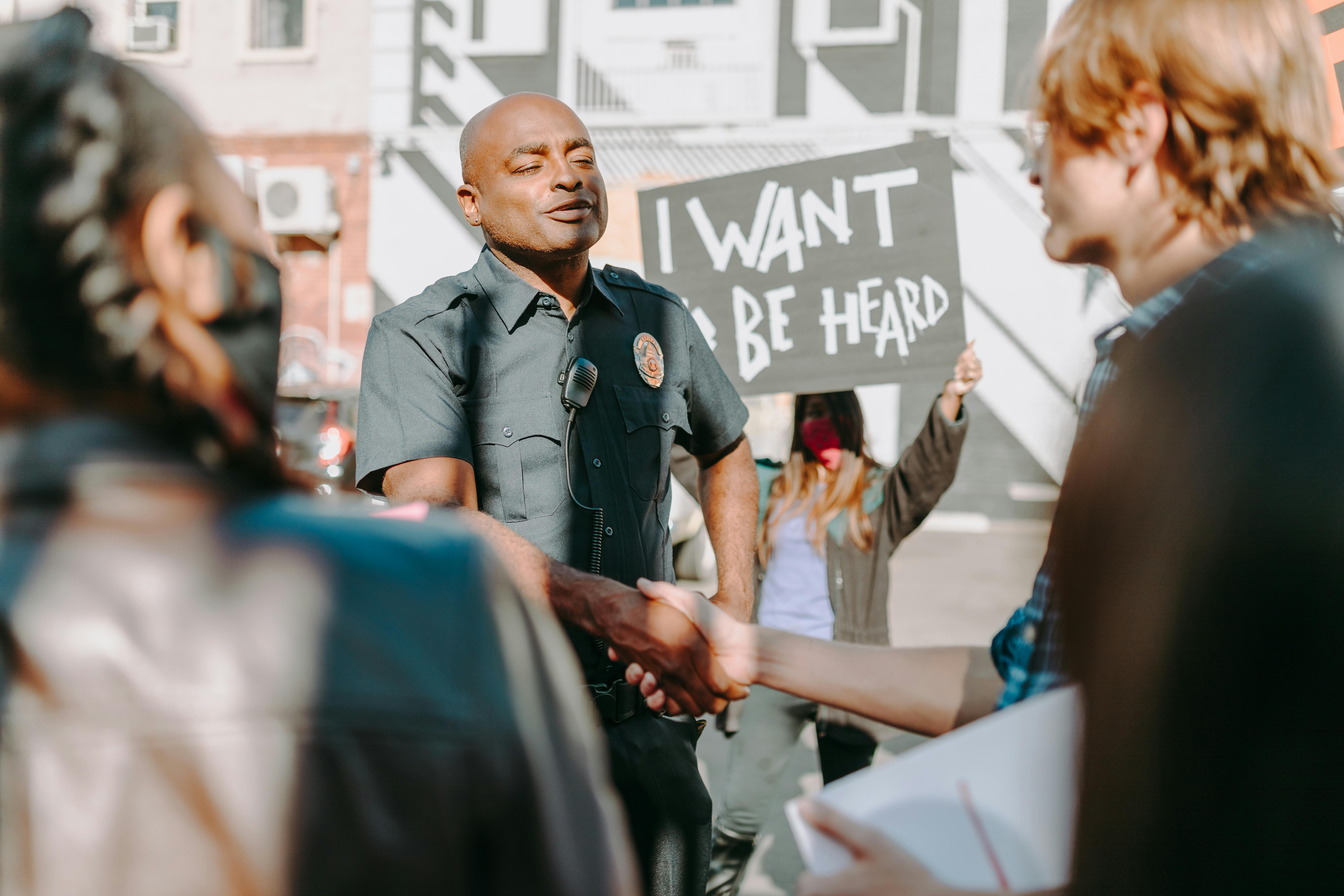
Los Angeles police officials and community advocates clashed Tuesday before the city’s oversight board over whether to permanently restrict pretext traffic stops, a practice that LAPD data shows falls disproportionately on Black and Hispanic drivers.
The Los Angeles Board of Police Commissioners heard competing arguments from the Push LA coalition, which wants the city to ban most pretextual stops, and from LAPD command staff, who defended the practice as constitutional and essential to violence prevention.
Pretext stops allow officers to pull over drivers for traffic violations as a legal basis to look for evidence of more serious crimes. The violations triggering these stops in 2025 included failing to stop at crosswalks or intersections, speeding, and equipment violations such as missing license plates or broken lights.
LAPD Capt. Shannon White told commissioners the stops are lawful and argued their geographic distribution reflects where the city’s most serious violence is concentrated. She showed a map indicating the majority of pretext stops in 2025 occurred in neighborhoods with the highest rates of street violence and serious traffic collisions.
“As we attempt to drive down crime it is still disproportionately in Central and South Bureau where you’re seeing the most harm to victims,” White said, citing murders, assaults, kidnappings, human trafficking, and robberies.
Push LA pushed back, arguing the stops do more harm than good. Chauncee Smith of Catalyst California, part of the Push LA effort, told commissioners that curbing the practice would address documented racial disparities.
“If the City were to move forward with a stronger approach, it would help reduce racial disparities and disproportionate stops of Black and brown folks,” Smith said.
The debate carries weight for Burbank residents who commute regularly into Los Angeles and whose family members and neighbors interact with LAPD jurisdiction. The Burbank Police Department operates independently, but policy shifts at LAPD often signal broader conversations about traffic enforcement across Southern California.
The LAPD revised its pretext stop policy in 2022, limiting the stops to investigations of more serious crimes and requiring officers to record their rationale on body-worn cameras before making a stop. The number of stops dropped that year, then climbed in each of the years that followed.
Critics say that trajectory undermines the department’s commitment to reform. LAPD’s own data shows that statistically, relatively few pretext stops result in the discovery of other crimes, a point Push LA used to argue the enforcement tradeoff does not hold up.
Push LA also proposed alternatives to police-led traffic enforcement. For equipment violations specifically, the coalition said fines could simply be mailed to registered vehicle owners. More broadly, Push LA has advocated for exploring the use of unarmed City Department of Transportation employees to handle traffic enforcement rather than sworn officers.
The LAPD countered that surface-level traffic violations are not trivial. White’s presentation made the case that missing license plates and broken lights are not minor nuisances to be dismissed with a letter, framing them as indicators that can connect to more serious criminal activity.
Tuesday’s hearing follows months of City Council scrutiny of LAPD policies, driven by years of community complaints that pretext stops have eroded trust between officers and residents. The council has been reviewing police practices with a stated goal of reducing friction with the public, particularly in communities of color.
No vote was taken Tuesday. The Board of Police Commissioners heard presentations and took public testimony, with a decision on permanent restrictions still pending. Whether the commission recommends a stronger ban, maintains the current limited restrictions from 2022, or finds some middle position will shape how tens of thousands of Angelenos interact with law enforcement during routine drives.
The conversation is far from over. Push LA and the LAPD command staff hold fundamentally different views on what the data shows and what the city’s priorities should be. Commissioners will have to decide which argument carries more weight, and that decision will land squarely on city streets where real drivers get pulled over every day.